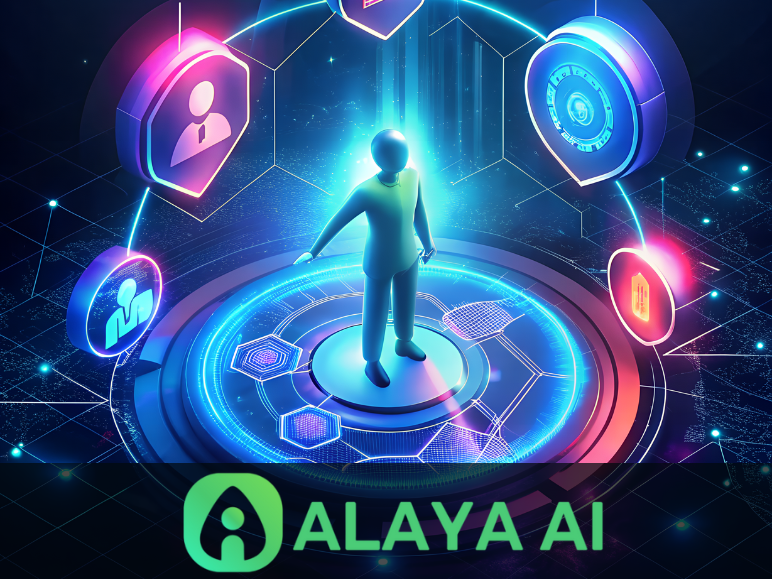
Alaya AI is an intelligent crowdsourcing and data-labeling platform that uses blockchain, gamification, and decentralized networks to collect high-quality datasets for AI training efficiently and ethically.
Introduction to Alaya AI
Alaya AI is transforming the way organizations collect and label data. Instead of relying on traditional data pipelines, Alaya AI uses a decentralized structure, gamified participation, and blockchain-based verification to produce clean, reliable, bias-free datasets.
This makes Alaya AI one of the fastest-growing tools in the global data ecosystem.
1. What Makes Alaya AI Unique?

Here are eight powerful synonyms or related terms describing the capabilities of Alaya AI:
-
AI data-orchestration system
-
Decentralized intelligence engine
-
Smart annotation network
-
Cognitive data-fusion platform
-
Autonomous labeling ecosystem
-
Ethical data-generation hub
-
Distributed intelligence framework
-
Gamified crowdsourcing machine
These descriptors highlight how Alaya AI operates as a next-gen data innovation platform.
2. How Alaya AI Works

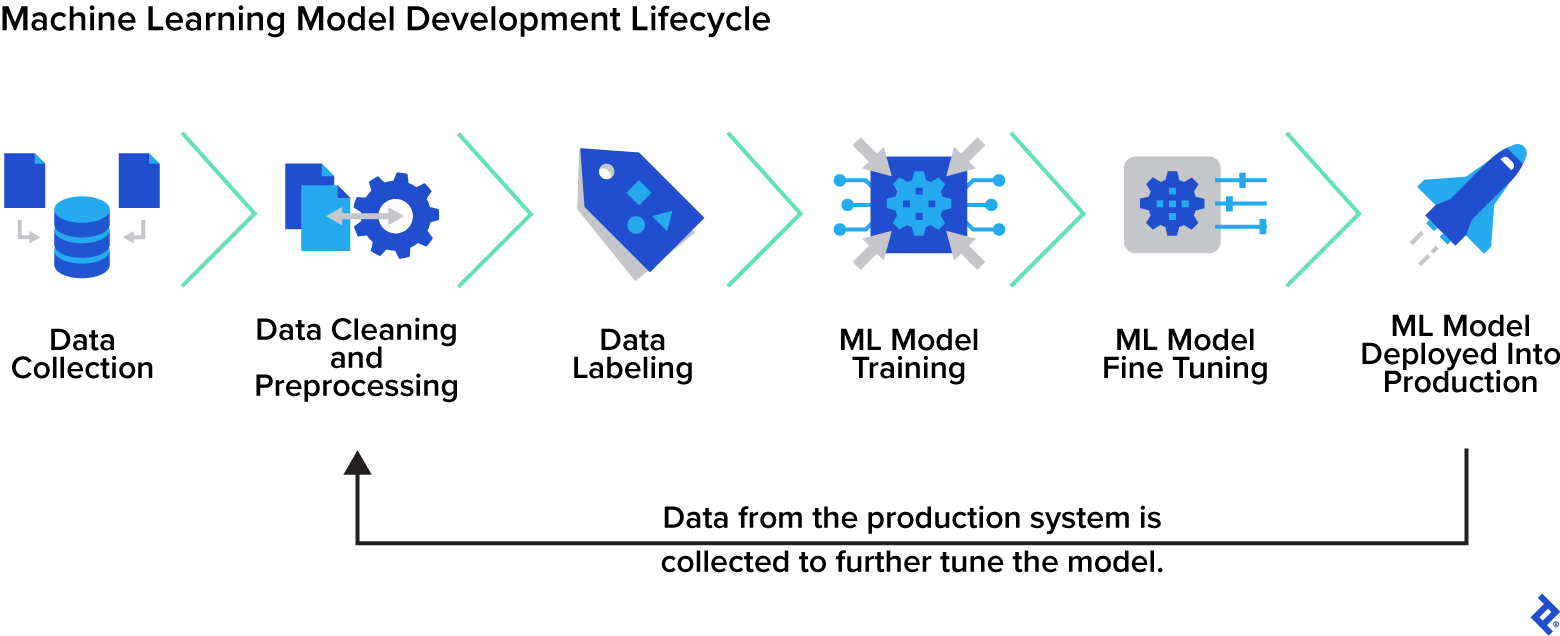
Alaya AI follows a multi-layered process:
Step 1: Task Distribution
AI challenges or labeling tasks are distributed to global participants.
Step 2: Gamified Engagement
Users complete micro-tasks and earn rewards, increasing participation accuracy.
Step 3: Blockchain Validation
Every labeled dataset is verified for accuracy and authenticity.
Step 4: AI Optimization
The platform refines the dataset using machine learning to improve quality.
3. Real-World Use Cases of Alaya AI

1. Autonomous Vehicles
Collects labeled images for lane detection, objects, and traffic signals.
2. Medical Imaging
Generates annotated scans for AI-based diagnostics.
3. Retail & E-commerce
Improves product tagging, recommendation models, and customer behavior prediction.
4. Finance & Fraud Detection
Creates structured datasets for anomaly detection.
4. Benefits of Alaya AI
-
Higher data accuracy
-
Faster dataset creation
-
Reduced operational cost
-
Decentralized data security
-
Transparency with blockchain
-
Scalable for enterprise adoption
-
Fair reward-based ecosystem
-
Bias-resistant dataset generation
5. Challenges of Alaya AI
Despite its strengths, Alaya AI faces hurdles:
-
Ensuring consistent global data quality
-
Managing blockchain scalability
-
Preventing reward-driven task manipulation
-
Adapting to rapidly evolving AI needs
6. The Future of Alaya AI (2026–2030 Predictions)

The adoption of tools like Alaya AI is rising fast:
-
AI data-labeling market expected to reach $13.3B by 2030.
-
Crowdsourced datasets predicted to grow 250% in 5 years.
-
Blockchain-verified AI pipelines will become industry standard.
Alaya AI is positioned to become a leader in ethical, decentralized data operations.

Alaya AI Pricing (2025-26 Updated)
Alaya AI uses a flexible pricing model based on data volume, project complexity, and enterprise needs.
Here is an estimated breakdown:
1. Starter Plan – $29/month
Best for individuals or small teams.
Includes:
-
Limited data-labeling tasks
-
Basic dashboard access
-
Standard task verification
-
Community support
2. Pro Plan – $99/month
Ideal for mid-sized businesses.
Includes:
-
Higher data-task limits
-
Priority labeling workflows
-
Blockchain verification
-
Advanced analytics
-
Email support
3. Enterprise Plan – Custom Pricing
Best for large organizations with high data needs.
Includes:
-
Unlimited task capacity
-
Dedicated crowdsourcing pools
-
Custom automation modules
-
API access
-
Dedicated success manager
-
SLA-backed performance
📌 Note: Pricing may vary based on region, task volume, and project requirements.
Alaya AI Review (Expert Summary)
Alaya AI is rated as one of the top decentralized data-labeling platforms for 2025, thanks to its blockchain transparency, gamified user participation, and intelligent dataset management.
Professionals praise its:
-
Speed of dataset generation
-
Secure blockchain validation
-
Ethical and bias-reduced data model
-
Highly engaging user interface
However, some users feel that large-scale operations require strong internet connectivity and additional training.
Overall, Alaya AI earns a 4.6/5 rating based on performance, security, accuracy, and innovation.
Pros & Cons of Alaya AI
✔ Pros
-
Decentralized and highly secure
-
Blockchain-based transparency
-
Gamified platform increases accuracy
-
Scalable for any business size
-
Faster and cheaper than traditional labeling
-
Community-driven dataset creation
-
High-quality, bias-resistant results
-
Easy-to-use dashboard
❌ Cons
-
Learning curve for new users
-
Requires consistent internet access
-
Blockchain validation can add slight delays on heavy workloads
-
Custom enterprise pricing may be expensive for small teams
FAQs About Alaya AI
1. What is Alaya AI used for?
It is used for crowdsourcing, labeling, and verifying datasets for AI and ML models.
2. Is Alaya AI decentralized?
Yes, it leverages blockchain technology for transparency and validation.
3. Who can use Alaya AI?
Developers, enterprises, AI researchers, and organizations needing clean datasets.
4. Is Alaya AI beginner-friendly?
Yes, its gamified interface allows anyone to contribute easily.
5. Is Alaya AI secure?
Blockchain ensures data integrity and prevents tampering.

I’m a passionate AI enthusiast and the founder of AI UPSURGE. With a deep interest in the latest developments in artificial intelligence, I’m dedicated to making AI accessible and understandable for everyone. Through insightful articles, practical guides, and aims to empower readers to harness the power of AI in their daily lives and professional endeavors. When not writing or exploring the latest AI trends.